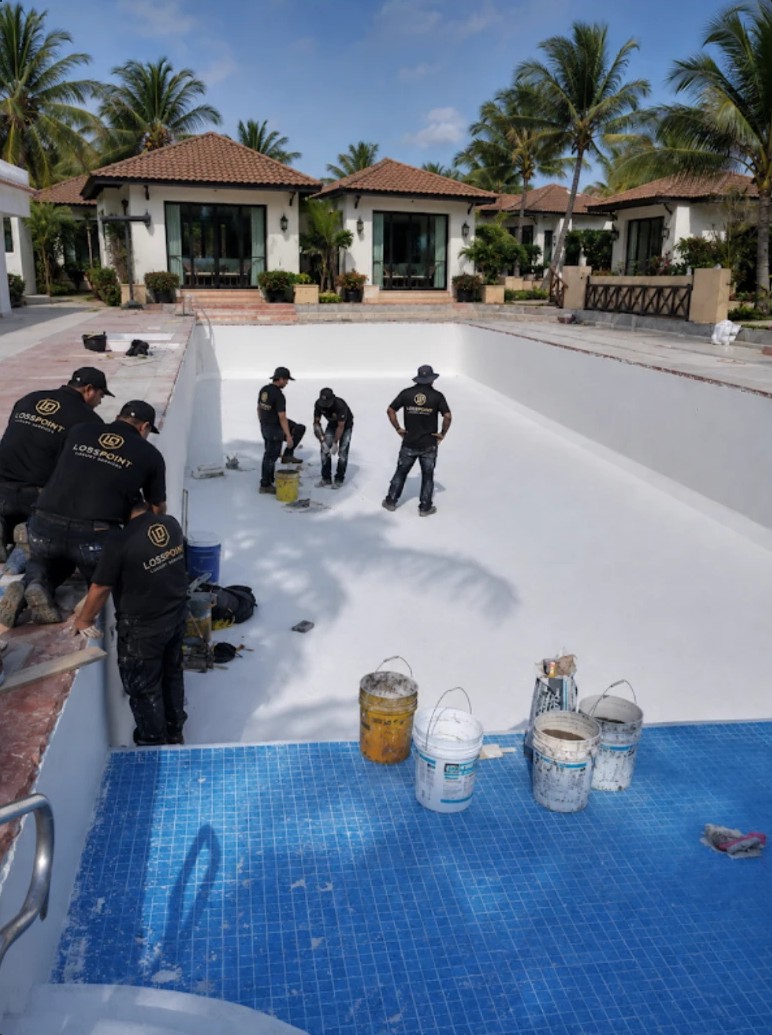
FEI™ — Field Investigation · Case 01
Why Was This Pool Losing Water?
A recurring water-loss condition required investigation before unnecessary demolition or costly assumptions.
LossPoint Field Investigation
Related investigation → LossPoint
Forensic Engineering · Technical Investigation · Performance Recovery
The stain came back.
The odor returned.
The wall is wet again.
The room still feels wrong.
LossPoint provides forensic engineering and root-cause investigation for recurring facility problems including humidity, mold, odor, water intrusion, ceiling condensation, HVAC performance, ventilation and unexplained building conditions — from investigation through verified recovery. The first response addresses the symptom; LossPoint investigates the cause.
Based in St. George’s, Grenada, Caribbean · Serving the Caribbean
01 — Real LossPoint Investigations
Each card links to the related service investigation.
FEI™ — Field Investigation · Case 01
A recurring water-loss condition required investigation before unnecessary demolition or costly assumptions.
LossPoint Field Investigation
Related investigation →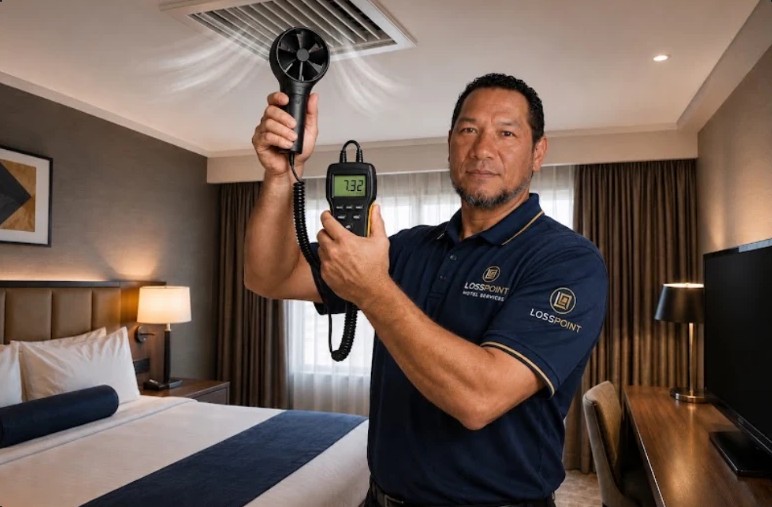
FEI™ — Field Investigation · Case 02
Repeated guest room complaints involving musty odor, high indoor humidity and visible moisture conditions.
LossPoint Field Investigation
Related investigation →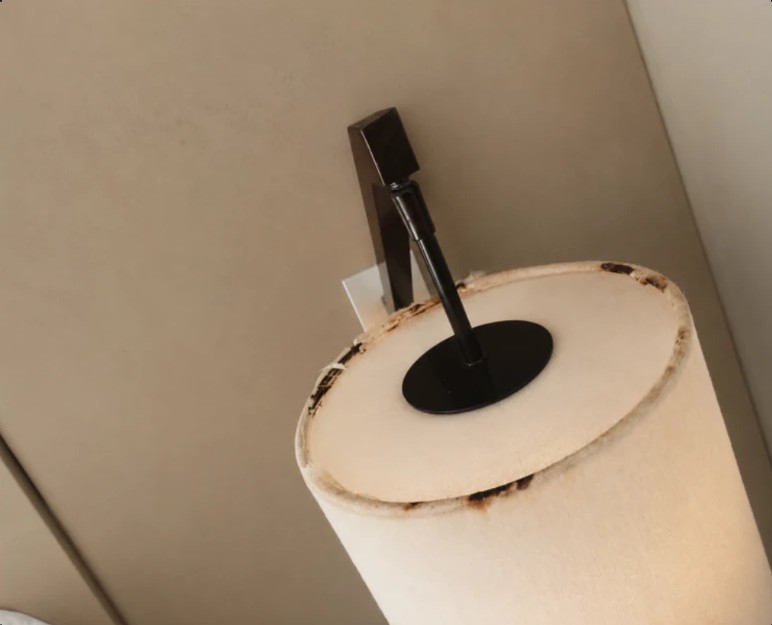
FEI™ — Field Investigation · Case 03
Different properties. The same recurring guest complaint: rooms that did not feel cool or comfortable.
LossPoint Field Investigation
Related investigation →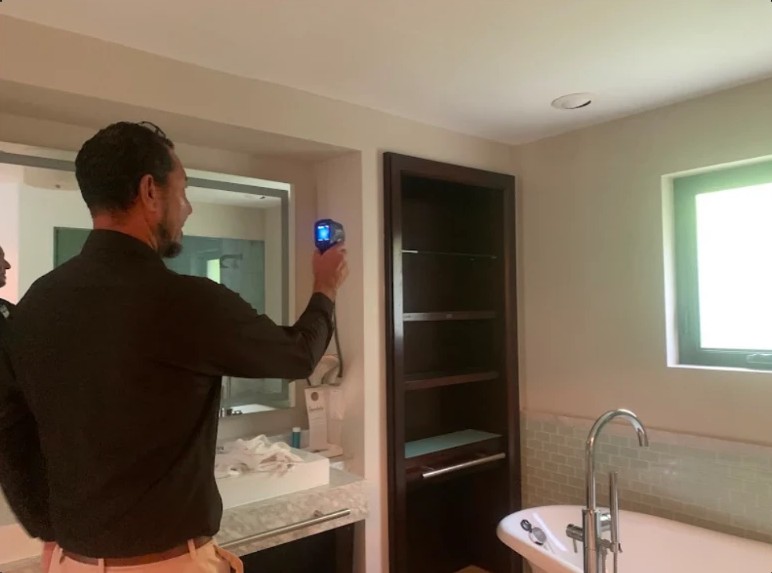
FEI™ — Methodology in Practice · Case 04
Recurring guest complaints may reflect hidden environmental or building-performance conditions rather than isolated maintenance issues.
LossPoint Field Investigation
Related investigation →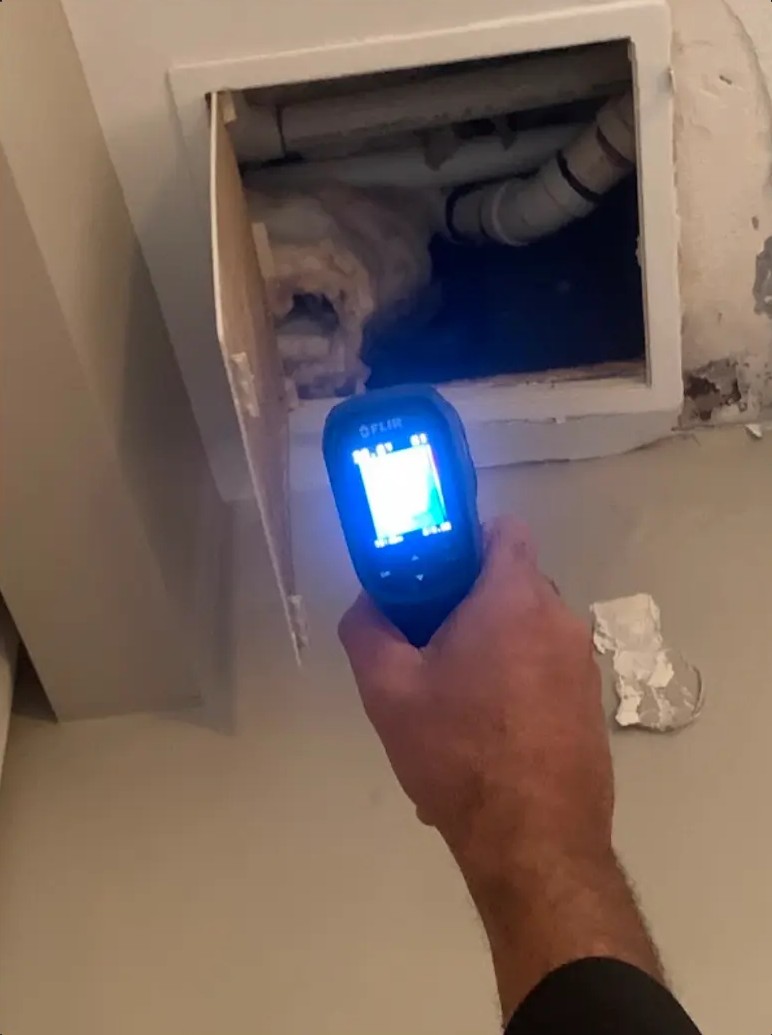
FEI™ — Field Investigation · Case 05
A wet ceiling can persist even when room temperature appears acceptable and the underlying moisture condition remains unresolved.
LossPoint Field Investigation
Related investigation →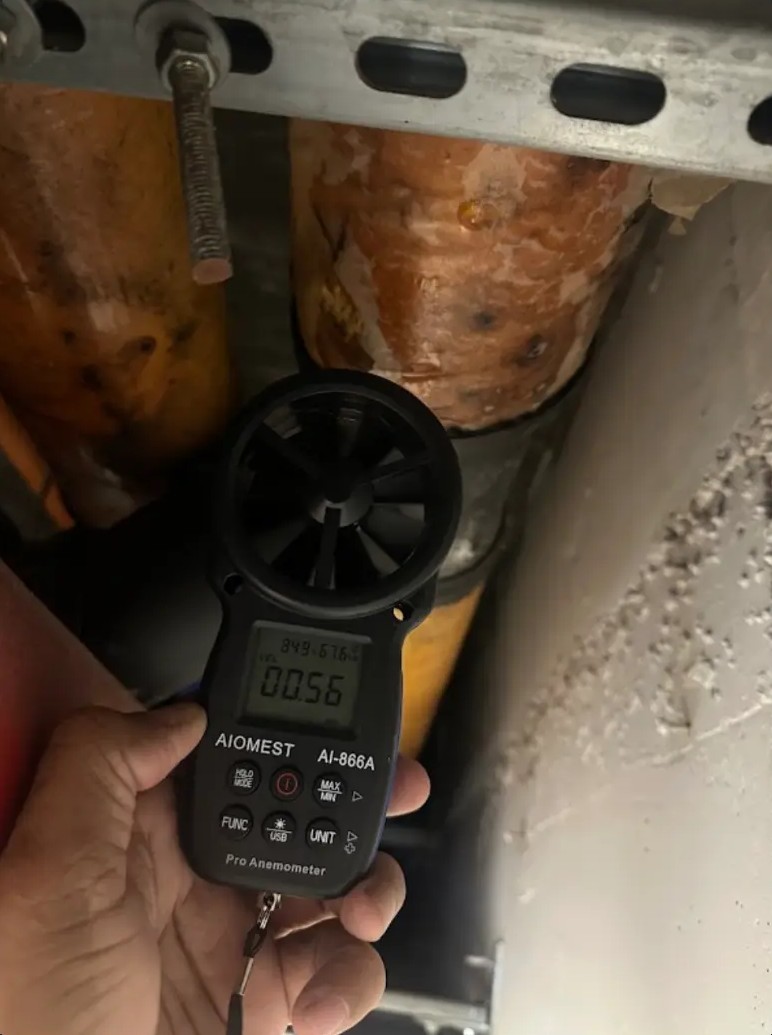
FEI™ — Field Investigation · Case 06
Pipe condensation may reflect more than insulation failure and can require a broader engineering assessment.
LossPoint Field Investigation
Related investigation →Leadership
Founder & Chief Engineering Strategist
Across a 30-year career, José Lara has served as Maintenance Manager, Director of Maintenance and Regional Director of Maintenance for hotels in different countries. Before founding LossPoint, he served as Regional Director of Maintenance across Royalton properties in St Lucia, Antigua, Barbados and Grenada. His experience in hotel operations informs LossPoint’s investigations of recurring building problems.
Legal name: LossPoint Hotel Services
02 — Problems We Investigate
The visible symptom may appear simple. The root cause may involve HVAC, ventilation, building envelope, plumbing, moisture, airflow or several systems acting together.
03 — The LossPoint Methodology
Forensic engineering, root-cause analysis, building performance diagnostics and technical validation in one continuous process — until the recovery is defined and verified.
FEI™
Forensic Engineering Investigation
Identify the phenomenon producing the recurring condition and establish the technical evidence.
Outcome
Root Cause / Leading Cause Established
ERP™
Engineering Recovery Plan
Translate the investigation findings into a corrective engineering plan.
Outcome
Recovery Path Defined
Execution
Corrective Implementation
Implement the corrective work according to the Engineering Recovery Plan.
Execution may be performed by LossPoint, the client’s maintenance team or an authorized specialist, depending on project scope.
Outcome
Corrective Action Completed
TVP™
Technical Validation Program
Measure and verify that the corrective action restored the intended condition.
Outcome
Recovery Verified
PAP™
Performance Assurance Program
Where continued assurance is required, monitor the recovered condition for degradation or recurrence.
Outcome
Performance Protected
Technical Evidence Brief
Illustrative example · simulated measurements
A simplified public example of how LossPoint presents evidence. It is not a client report and does not reproduce any investigation report or template.
Principal finding
At the illustrative air conditions, the 17.0 °C surface sits −2.1 °C relative to the 19.1 °C dew point, so condensation is physically possible there. The 22.0 °C reference surface stays +2.9 °C above it.
| ID | Quantity | Value | Source |
|---|---|---|---|
| A1 | Air dry-bulb temperature / relative humidity | 25.0 °C / 70% | Illustrative input |
| S1 | Local cold surface temperature | 17.0 °C | Illustrative input |
| S2 | Warmer reference surface temperature | 22.0 °C | Illustrative input |
| C1 | Dew point (from A1) | 19.1 °C | Calculated |
| C2 | Surface margin to dew point (S1 / S2 − C1) | −2.1 °C / +2.9 °C | Calculated |
The margin shows that condensation is physically possible at the 17 °C surface under these illustrative conditions. It does not identify the actual moisture source, a mould species or an HVAC fault.
Before choosing a correction, distinguish outdoor-air infiltration, exhaust performance, latent load and cooling operation as contributors.
Repeat comparable temperature, humidity and surface measurements under representative operation after correction. No after-correction results are shown here.
Magnus approximation, a = 17.625, b = 243.04 °C, T = air temperature (°C), RH in %.
γ = ln(RH/100) + aT / (b + T)
DP = b·γ / (a − γ)
Margin = Ts − DP
An approximation for typical atmospheric building conditions. Instrument uncertainty is not stated because no actual sensor was used.
Background reading: Vaisala — relative humidity, dew point and mixing ratio
Explains how dew point follows from air temperature and humidity and why surfaces below it can condense. Cited for explanation only; no endorsement implied.
Scope and deliverables are agreed case by case.
Discuss your condition →Scope is agreed case by case after we review your enquiry: the areas, systems and questions to be examined.
Access to the affected areas and, where useful, comparable unaffected areas and the related equipment, coordinated with your team.
Usually, yes. Measurements under representative operation are often what the investigation needs; timing is planned with you.
Yes. Your team’s history of the problem is part of the evidence, and corrective work may be carried out by your team, LossPoint or an authorized specialist.
04 — Where We Work
Guest room humidity, odor, stains, water intrusion and comfort complaints can repeatedly remove rooms from service.
Some patient rooms or controlled areas may not maintain consistent temperature, humidity, airflow or pressure conditions.
Temperature, humidity and process-area airflow can vary significantly across production areas.
Areas of the same facility can expose inventory to very different storage temperature, humidity and airflow conditions.
Recurring moisture, odor, comfort or ventilation problems can affect public buildings long after repeated maintenance interventions.
Occupants often experience discomfort, odor or poor indoor air quality before the technical cause is obvious.
Heat, moisture and equipment loads can create very different conditions within the same operation.
Residents experience moisture, odor, temperature and water intrusion as one building problem — not as separate systems.
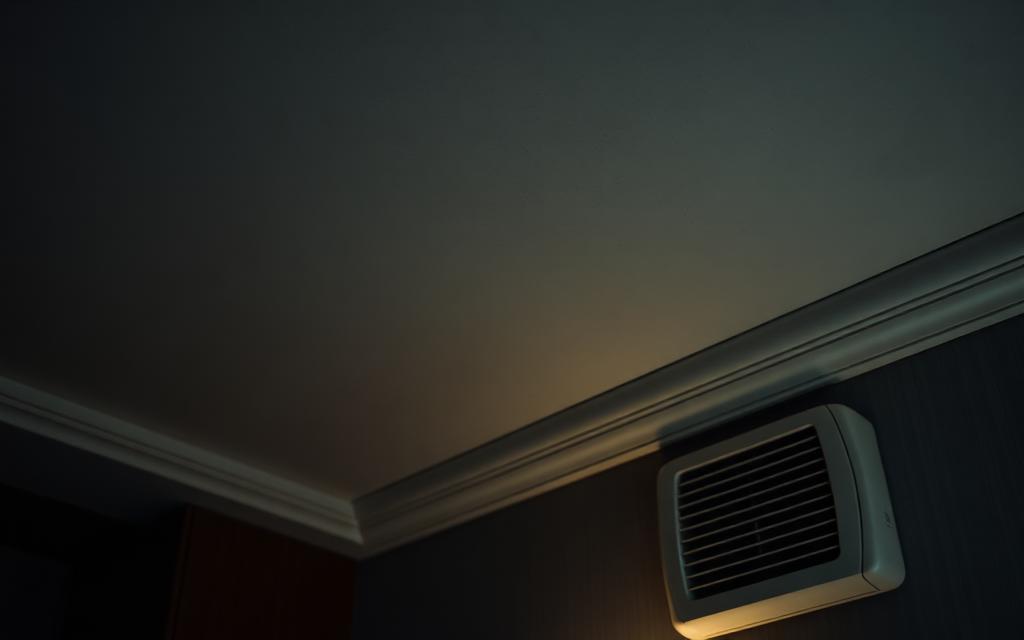
LossPoint Can Investigate
Hotel engineering diagnostics that identify the HVAC performance or moisture condition producing the recurrence.
Management Decision
Determine what must change before another repair is repeated.
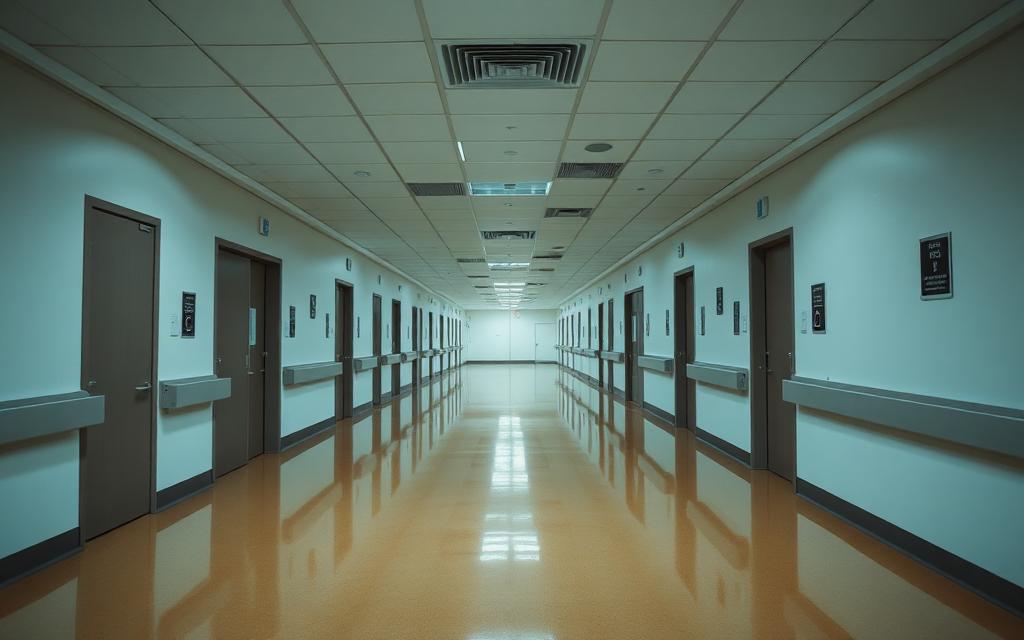
LossPoint Can Investigate
Map hospital environmental conditions and indoor air quality across rooms and zones to locate the instability.
Management Decision
Prioritize affected areas and verify whether corrective work restored the intended condition.
LossPoint Can Investigate
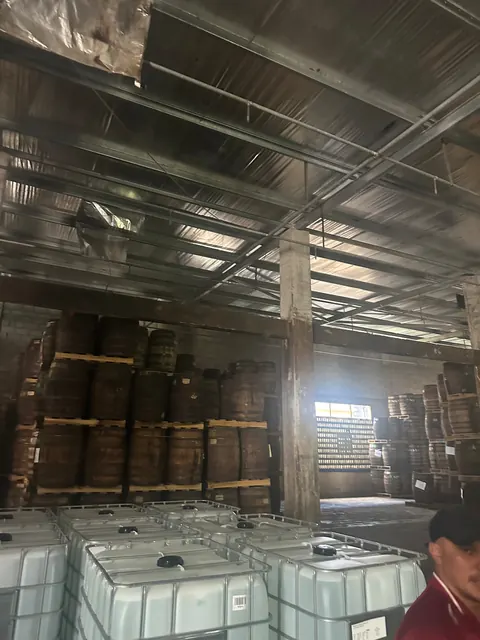
Industrial environmental mapping by zone to determine how the building is influencing operations.
Management Decision
Adjust zone use, ventilation, process placement or corrective priorities based on measured conditions.
LossPoint Can Investigate
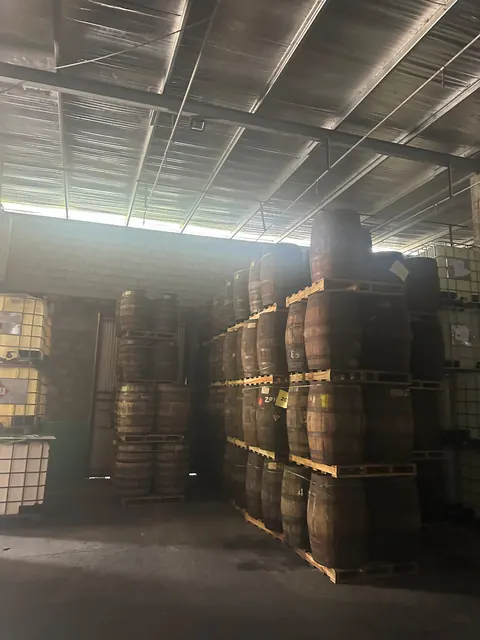
Warehouse environmental mapping that identifies stable, unstable, stagnant and high-exposure zones.
Management Decision
Determine where inventory should be stored, rotated or avoided.
LossPoint Can Investigate
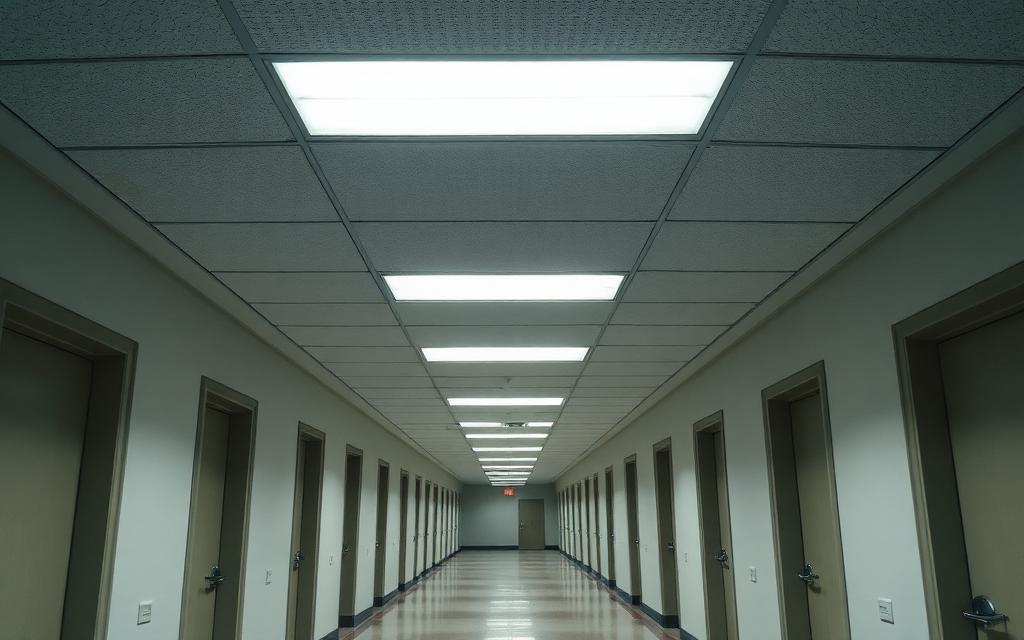
Government facility investigation comparing building performance between affected and unaffected areas.
Management Decision
Prioritize maintenance resources and interventions based on evidence.
LossPoint Can Investigate
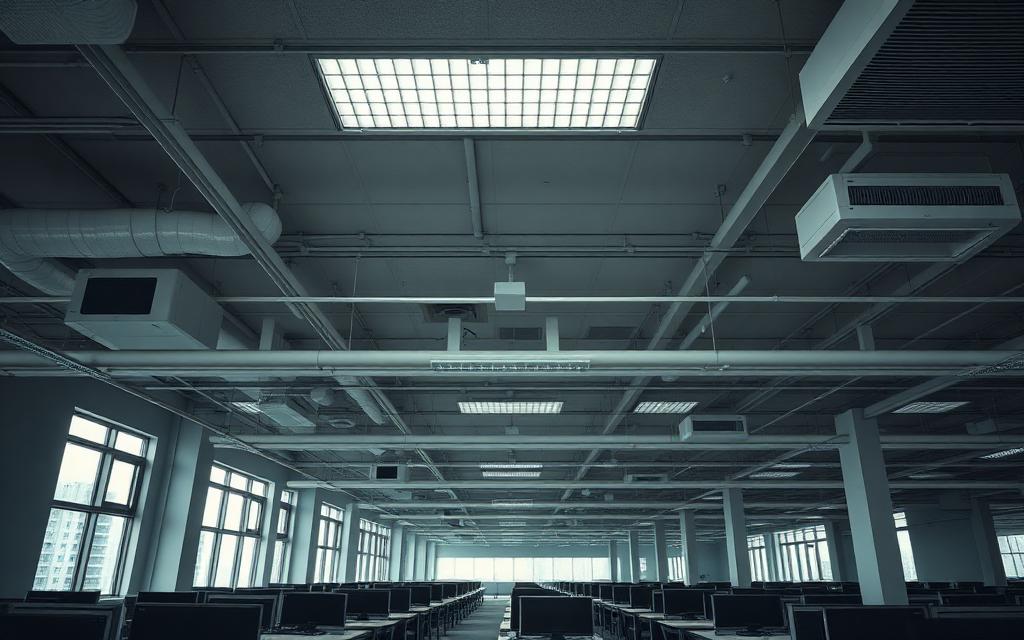
Commercial building diagnostics mapping indoor comfort and HVAC performance across occupied areas.
Management Decision
Identify where corrective action will have the greatest operational impact.
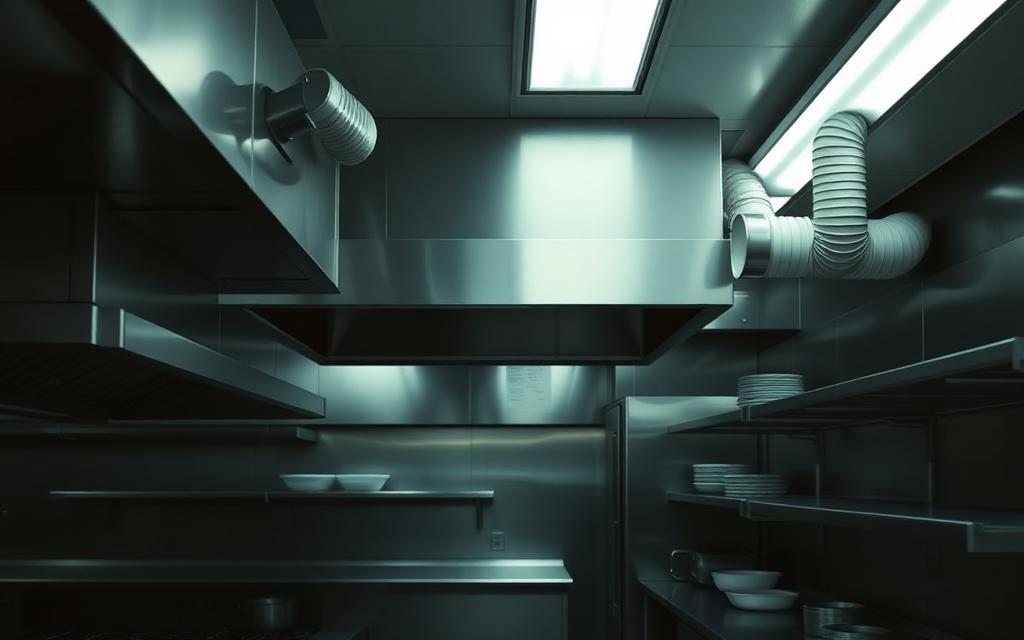
LossPoint Can Investigate
Commercial kitchen ventilation and exhaust performance evaluated together with heat, airflow and system interaction.
Management Decision
Define where ventilation, operational or engineering changes are required.
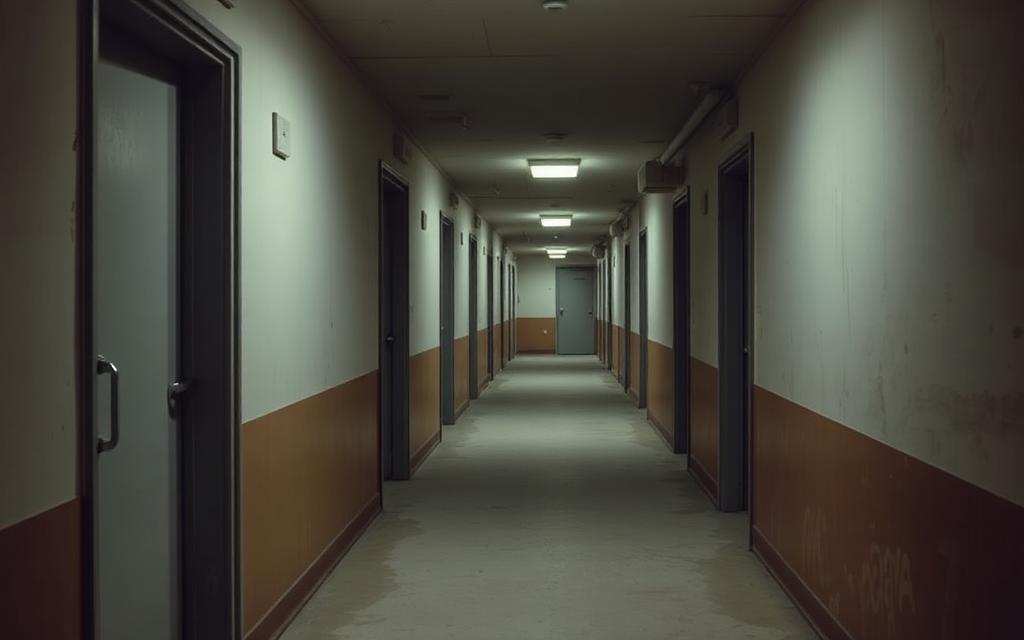
LossPoint Can Investigate
Building moisture investigation covering envelope, HVAC, ventilation and water intrusion interaction.
Management Decision
Determine why the condition keeps returning before repeated repairs continue.
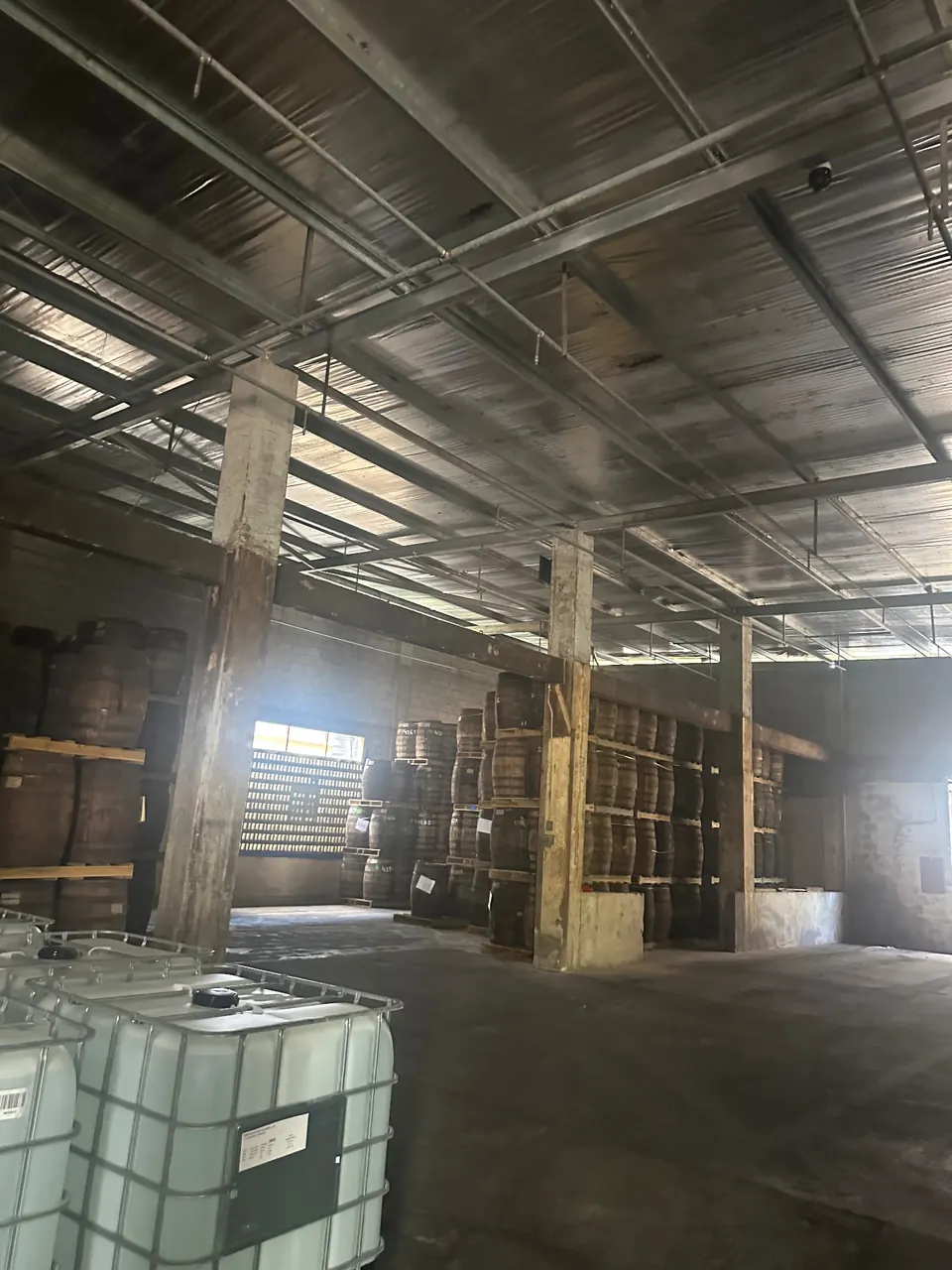
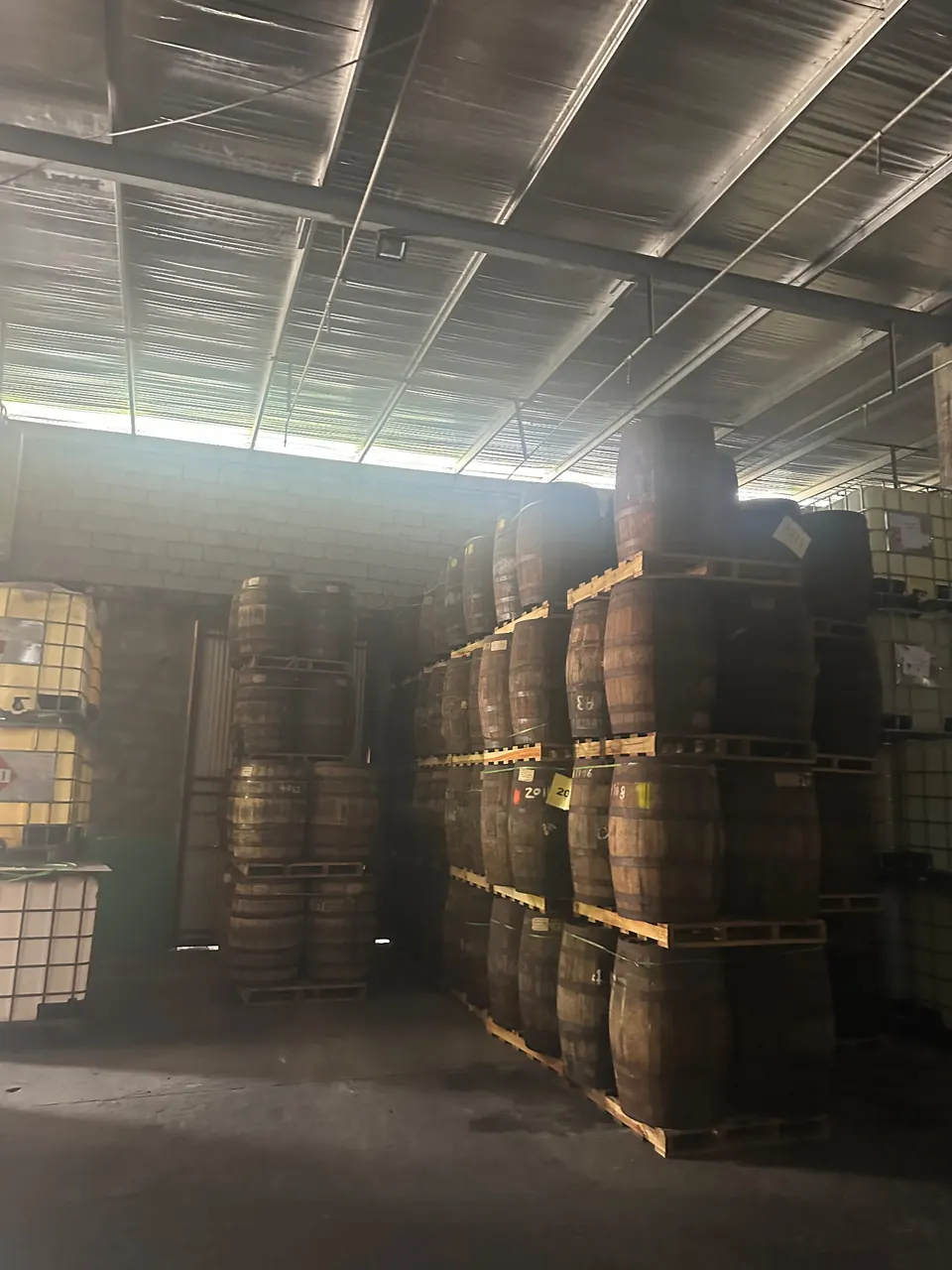
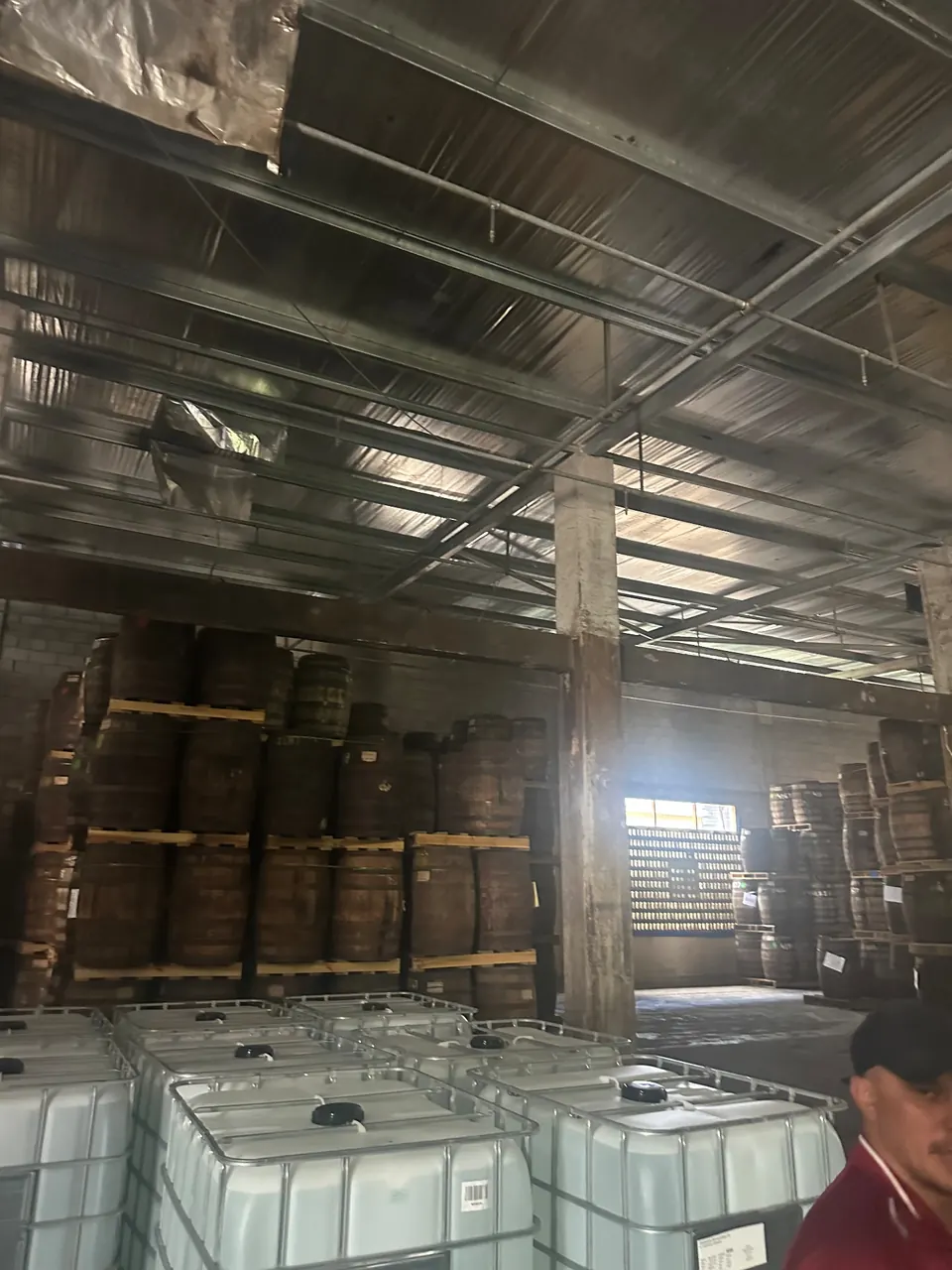
LossPoint uses industrial environmental mapping to compare temperature, humidity, airflow and zone performance so management can make evidence-based storage and operational decisions.
“Which areas of the facility create the most favorable environmental conditions — and which create the opposite?”
Healthcare
Some rooms or controlled areas do not maintain consistent temperature, humidity, airflow or pressure conditions.
Compare rooms and zones, map environmental variation and identify the conditions creating instability.
Prioritize affected areas, determine where corrective action is needed and verify that the environment was restored.
Manufacturing / Industrial
Heat, humidity, airflow or building conditions vary across production areas and may affect process stability, product behavior, equipment or worker conditions.
Map environmental differences by zone and determine how the building and systems are influencing the process environment.
Modify zone use, ventilation, process placement or corrective priorities based on measured conditions.
Warehouse / Storage
Different areas of the same warehouse may expose inventory to significantly different temperature, humidity or airflow conditions.
Identify stable, unstable, stagnant and high-exposure zones.
Determine where inventory should be stored, rotated or avoided, and where environmental improvements are required.
Government / Institutional
Some offices, archives, classrooms, public areas or technical rooms repeatedly experience moisture, odor, comfort or ventilation problems.
Compare affected and unaffected areas and identify the technical conditions producing the difference.
Direct maintenance resources to the correct areas and prioritize interventions based on evidence.
05 — Request an Investigation
Tell us what you are seeing, where it is happening and how long it has been recurring.LossPoint reviews hotel, healthcare, industrial, warehouse, government, commercial, restaurant and residential facility conditions and determines the appropriate forensic engineering or building-performance investigation.